
The Rise of Artificial Intelligence in Modern Marketing
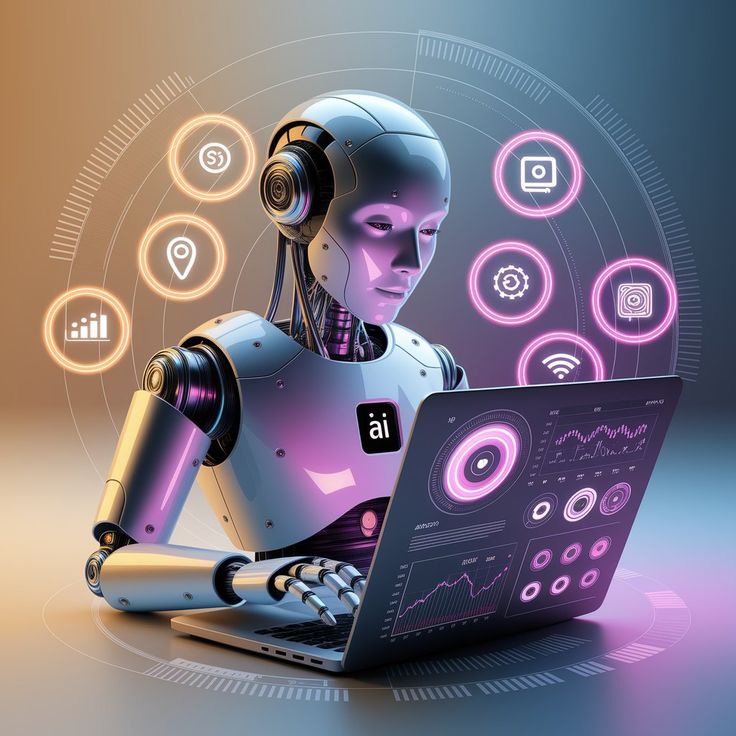
Artificial Intelligence has grown from a buzzword into a real force that shapes the way businesses communicate, advertise, and build relationships with customers. A few years ago, AI felt like something only big tech companies could use. Today, it has become a part of everyday marketing activities, from recommending products on shopping apps to helping brands understand customer behavior more deeply.
People often do not realize how much AI influences their online experience. When you see an ad that seems perfectly matched to your interests, or when a website suggests something you were thinking about, AI is quietly working behind the scenes. It studies patterns, learns habits, and tailors experiences to feel more natural and relevant. This shift has made modern marketing smarter, faster, and more personal.
Businesses of all sizes now use AI to reduce guesswork and improve results. Whether it is a small business trying to reach the right audience or a large brand running campaigns across the world, AI has become a powerful tool that helps them move with more confidence. The real beauty of AI in marketing is that it blends data and creativity, helping brands create messages that feel human, even though they are powered by technology.
A Deeper Understanding of Customers
Understanding the customer is the heart of marketing, and AI takes this to a whole new level. Instead of making decisions based on assumptions, businesses can now rely on real data. AI studies how customers behave online, what they like, what they ignore, and what motivates them to act.
This detailed understanding helps brands connect in a more meaningful way. AI can analyze thousands of interactions in seconds, something that humans would take months to do. It reveals patterns, predicts interests, and highlights what customers value most. This allows marketers to create messages and campaigns that are not only visually appealing but also emotionally relevant.
AI can also track the timing of customer behavior. It can identify when people are most active online, what type of content holds their attention, and which factors influence their purchase decisions. With insights like these, businesses can structure their campaigns more effectively and deliver the right message at the right moment.
In simple terms, AI helps marketers understand:
What people like
What they avoid
This level of clarity helps improve performance, reduce marketing waste, and build stronger customer relationships.
Personalization That Feels Human
Customers today expect meaningful interactions from brands. They want to feel understood. They want messages that fit their lifestyle and preferences. This is where AI creates the biggest impact. It helps personalize communication in a way that feels natural and human, even though it is powered by technology.
AI studies customer behavior and adjusts marketing content automatically. For example, if someone likes fitness content, AI will show them more workout products or nutrition tips. If someone searches for travel destinations, AI can suggest hotels, deals, and travel accessories. This kind of personalization makes customers feel like the brand knows them well.
Unlike traditional marketing where the same message was sent to everyone, AI helps deliver customized messages to each individual. This improves the quality of engagement and increases the chances of conversion. Customers pay more attention when they see content that is relevant to their life.
Personalized marketing also builds trust. When customers feel understood, they stay loyal. They come back, explore more products, and recommend the brand to others. AI helps make this connection stronger and smoother.
Smarter and Faster Content Creation
Content creation is one of the most important parts of marketing, and AI has made this process easier and more efficient. Marketers can now use AI to brainstorm ideas, write captions, create outlines, plan content calendars, and study how well their content performs.
AI does not replace creativity, but it supports it. It helps with tasks that take time, such as analyzing keywords, checking trends, or generating initial drafts. This gives marketers more time to focus on storytelling and creative direction.
AI also studies how audiences react to content. It can point out which topics perform well, which styles get attention, and which formats drive better engagement. With this information, marketers can shape their content in a way that matches audience expectations.
Whether it is social media posts, blog ideas, visual design concepts, or campaign messages, AI acts as a digital partner that helps bring ideas to life faster and with more clarity.
Predicting Future Trends
One of AI’s strongest abilities is predicting what might happen in the future. Predictive analytics helps businesses plan instead of react. It can forecast trends based on past behavior and current patterns.
For example, AI can predict which products will become popular, which customers are most likely to buy, and which campaigns will perform best. This helps businesses prepare their strategies more carefully.
AI helps predict:
Which campaigns may perform better
What customers might want next
When businesses know what to expect, they can make better decisions. They can plan product launches at the right time, invest in the right ads, and focus on the right audience. Predictive insights reduce risk and increase success.
This ability makes AI a valuable tool for long term growth. It ensures that businesses stay updated with market changes and do not fall behind competitors.
Improved Customer Support
Customer support is one of the biggest ways AI helps businesses. Chatbots and virtual assistants can answer common questions instantly. They can help customers find products, track orders, or solve basic issues without needing to wait.
This improves the overall customer experience. People appreciate fast responses and easy solutions. AI makes this possible at any hour of the day.
AI support also reduces the workload for human teams. They can focus on more complex problems while AI handles simple tasks. This increases efficiency and improves service quality.
When customers receive quick and helpful support, they feel valued. This builds trust and strengthens the relationship between the brand and the customer.
The rise of Artificial Intelligence in modern marketing has completely changed the way businesses operate. It helps brands understand their customers on a deeper level, personalize communication, create content faster, predict future trends, and offer better support. AI blends technology with creativity in a way that makes marketing smarter, smoother, and more effective.
As AI continues to grow, the brands that learn to use it wisely will lead the market. AI is not here to replace humans. It is here to support them, guide them, and help them make better decisions. The future of marketing is a partnership between human creativity and intelligent technology. Together, they create experiences that feel personal, meaningful, and truly connected to the audience